
Beginners in the trucking industry are typically faced with the same freight biases when they start trucking: “this freight is easy,” “that load pays the most,” “start here and you’ll make good money right away.”
The statements that show these assertions almost as if they were indisputable truths — load boards, forums, recruiters, and even other drivers repeat them — particularly for drivers in entry-level trucking, and for every beginner truck driver trying to choose profitable freight fast.
The fact is that it is a big misunderstanding that many of the statements above are just misleading. The so-called “easy and profitable cargo” is often in reality the most terrible choice that you can make as a beginner driver cargo decision. It is these loads that seem attractive at first, whether it is on paper or on a rate confirmation, that in the end become poor revenue outcomes. They often turn into the least profitable freight, and therefore affect either income or confidence, or both.
This article presents the ten most common freight myths and how they affect truck drivers in their initial years. It is not just about motivating; rather, it is real-world trucking advice based on experience in carrying freight and real freight hauling conditions.
New Truckers Chase the “Easiest Freight” Myth
Stepping into trucking seems like coming into a clean space except that everything here is new: rates, miles, detention, waiting time, equipment, dispatch behavior, and the hidden rules of the job. The burden of this information is what starts you on the path to look for shortcuts, especially when you are focused on making money trucking early.
“Easy” only actually means the driver’s perception of the loads that appear to be the easiest loads:
- No tarping
- No-touch freight
- Short trips
- Familiar cargo
- Perceived low risk
“Profitable,” meanwhile, is usually associated with:
- High rate per mile
- Big gross numbers
- Fast unloading
Popular lanes and supposed load board secrets, including advertised high paying loads
The mistake is in thinking these two characteristics are the same. The truth is that the most straightforward cargo types are oftentimes the least effective ones, and for an inexperienced driver, frequently, they are the least profitable as well.
Myth #1: Dry Van Is Always the Easiest and Best Cargo for Beginners
It’s a popular idea that dry van is the “safe” default option for rookies. While it may be probably a bit more forgiving in terms of the technical stuff, it doesn’t mean that it will be profitable freight on its own.
Regular dry van caveats for rookies are:
- Long dock waiting times
- Little to no rate control
- Heavy competition on load boards
- Frequent detention with weak compensation
For a guy with a new license, dry van is not about that easy money; it is more of a lesson in patience first and foremost. People would spend hours in docks and not understand how the time passed. This happens often with the beginners who try to chase miles while losing hours, and that leads to a direct impact on the vaunted truck driver salary.
Dry van is not a bad freight. It doesn’t automatically mean easy money — and it is not automatically one of the profitable loads beginners imagine it to be.

Myth #2: Short Loads Are Easier Than Long Haul
Short runs are often perceived simpler: less fatigue, quicker turnaround, faster pay. In reality, short freight often costs you income and can quickly become the least profitable freight in your week.
The reasons short loads are hard for beginners:
- More docks per day
- More paperwork
- More unpaid waiting
- Less margin to recover from delays
In the first year of trucking, little awkwardness piles up very quickly. Two delays on one short trip can clear the earnings for an entire day.
Short freight is easier in theory, but in practice it often turns into lost time once the trip is measured against money.
Myth #3: Reefer Freight Pays More and Is Still Easy
Reefer freight is popular as one of the options among the higher-cost models, but it’s a common misconception that it’s easy to operate — and many assume it is automatically profitable freight.
What they learn fast:
- Tight appointment windows
- Night and early-morning loading
- Temperature responsibility
- Cargo claims risk
Reefer freight is seldom easy for a new driver. It may be profitable, but only if one masters the control of temperature, the behavior at the docks, and the patterns of detention first. In that case, reefer can turn into one of the more consistent profitable loads, but it demands discipline.
Reefer freight asks for discipline, not shortcuts.
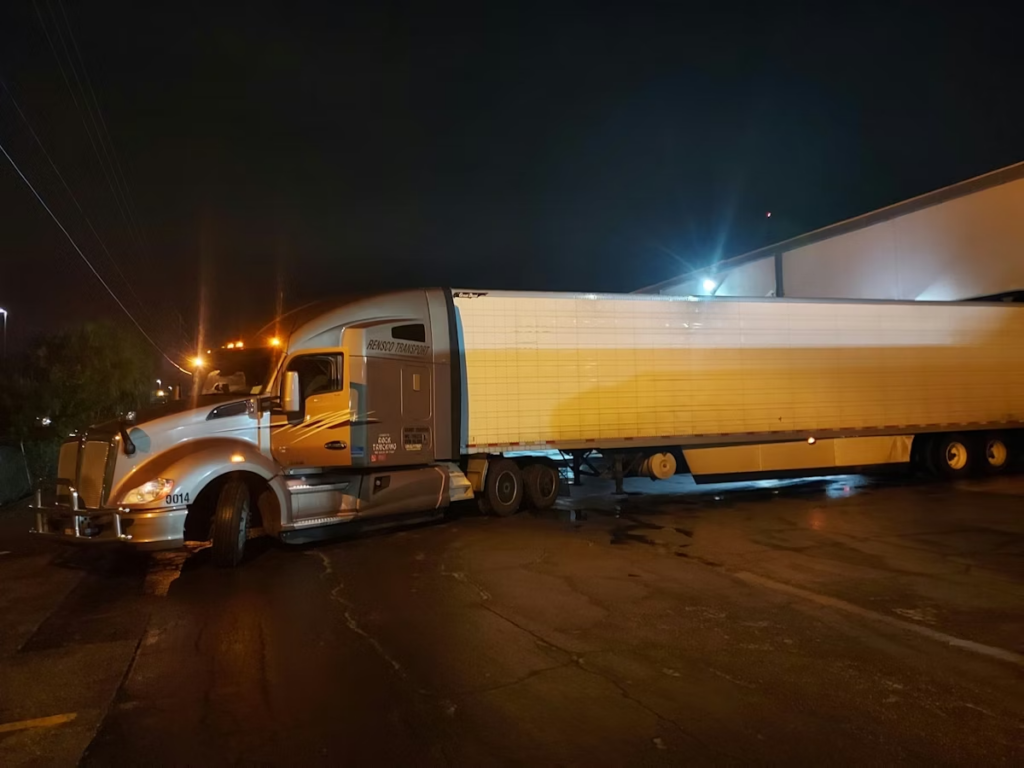
Myth #4: Flatbed Is Hard, So It Must Pay More
Flatbed frightens away a lot of the new ones, but this fear is often just a mask for an opportunity, depending on the cargo types and the lanes.
Flatbed includes:
- Physical labor
- Weather exposure
- Load securement responsibility
Plus:
- Faster loading and unloading
- Less dock detention
- Better time control
For a few rookie cargo options, flatbed can be more predictable than dry van. It is harder physically but clearer operationally.
Difficult does not mean unprofitable, and in some cases it becomes a smarter beginner driver cargo choice than “easy” freight.
Myth #5: The Highest Rate on the Load Board Is the Best Load
This is one of the most damaging myths beginners believe.
High rate doesn’t necessarily mean high income.
Many high paying loads:
- Hide delays
- Involve difficult receivers
- Compensate for risk
Experienced drivers are able to read context. Beginners are still getting the hang of it and often get suckered by traps disguised as opportunities.
In freight, the context is more important than the price — especially for a beginner truck driver building a long-term truck driving career.
Myth #6: There Is a “Best Cargo” for All Beginners
There is no such thing as universal best cargo.
What is more important than cargo type:
- Shipper behavior
- Dock efficiency
- Dispatch communication
- Time management
Two drivers can haul the same freight and earn very different results.
This myth exists because people crave certainty. Trucking does not offer guarantees — and that is why common trucking myths survive year after year.
The Decisive Factors for Profitability in a Beginner’s Year
For new truck drivers, the single largest factor in the profit equation is not cargo choice, but rather time management.
The key factors that follow are:
- Waiting time
- Scheduled delays
- Driving vs. sitting hours
- Freight predictability
The most profitable types of loads for rookies are typical boring ones, such as:
- Fast loading
- Fast unloading
- Repeat lanes
- Consistent patterns
Boring freight often pays better than exciting freight, because it supports stable freight hauling and fewer surprise losses.
Myths vs. Reality in the Case of Beginner Freight Choices
| Myth | Reality |
| Easy freight pays best | Easy freight often wastes time |
| High rate = high income | Time control matters more |
| Dry van is safest choice | It hides the most delays |
| Short loads are easier | They amplify inefficiency |
| Reefer always pays more | It punishes mistakes |
| There is a best cargo | There is only the right fit |
Truck Driving Tips for Beginners Choosing Freight
Practical trucking advice and decision rules for drivers starting trucking:
- Measure income per day, not per mile
- Track wasted time
- Avoid unknown shippers early
- Run repeatable lanes
- Always ask why a load pays high
The first year trucking is not about maximizing gross — it is about minimizing mistakes so your truck driver salary becomes stable rather than random.
Owner-Operator Tips for New Entrants
If you move toward ownership early, mistakes compound faster.
Key owner operator tips:
- Avoid complex freight at the start
- Prioritize predictable freight
- Track shipper behavior
- Learn detention patterns
Profitability often comes from knowing where not to go, and that is true in any truck driving career path.
Final Thoughts: The Real Beginner Advantage
The majority of myths in trucking are based on comfort. The trucking industry rewards awareness, not comfort.
There is no such thing as the easiest freight. There is only freight that suits your skills and discipline now — and over time, that is how a beginner truck driver learns to identify truly profitable freight and choose the right cargo types.
Survival after the first year begins when you cease to believe in myths and instead start taking measurements of reality.
The first year trucking is not about finding the most profitable load.
It is about learning how freight actually makes — or loses — money.
That lesson lasts longer than any single trip.
FAQ: Urban Legends About “Easy and Profitable” Freight for Newbie Truck Drivers
Is there really the “easiest” freight for a rookie truck driver?
No. The accessibility of universally easiest loads is one of the myths prevalent in trucking. Things that seem easy can often cover up long wait times, detention, or bad programming, which can result in them being some of the least profitable freight in reality.
Do high-paying loads ensure better income during the first year in trucking?
Not necessarily. High-paying loads on a rate confirmation can still end in low daily income if they involve delays, difficult receivers, or missed reloads. For beginners, the time factor is more important than the headline rates regarding the money generated.
Which cargo types are most suitable for a rookie driver cargo strategy?
There is no single best cargo type. Dry van, reefer, and flatbed can all be functional if the shipper’s behavior, dock efficiency, and repeatability are in place. Predictable freight hauling with rapid loading and unloading times are often more significant than a cargo label.
Why do newbies often choose the freight with the least benefits?
Novices are deprived of knowledge. Load boards and recruiters emphasize rates while ignoring hidden costs such as detention, layovers, or rejected freight. Lacking experience, the new drivers may go after what seems easier instead of what assures a stable driver salary.
What should a new driver think about rather than myths related to freight?
A new truck driver should concentrate on the daily income, wasted time, repeating lanes, and shipper pattern analysis. Cultivating discipline and awareness in the early stages is far more valuable for a long-term truck driving career rather than chasing “easy” or flashy loads.
Leave a Reply