
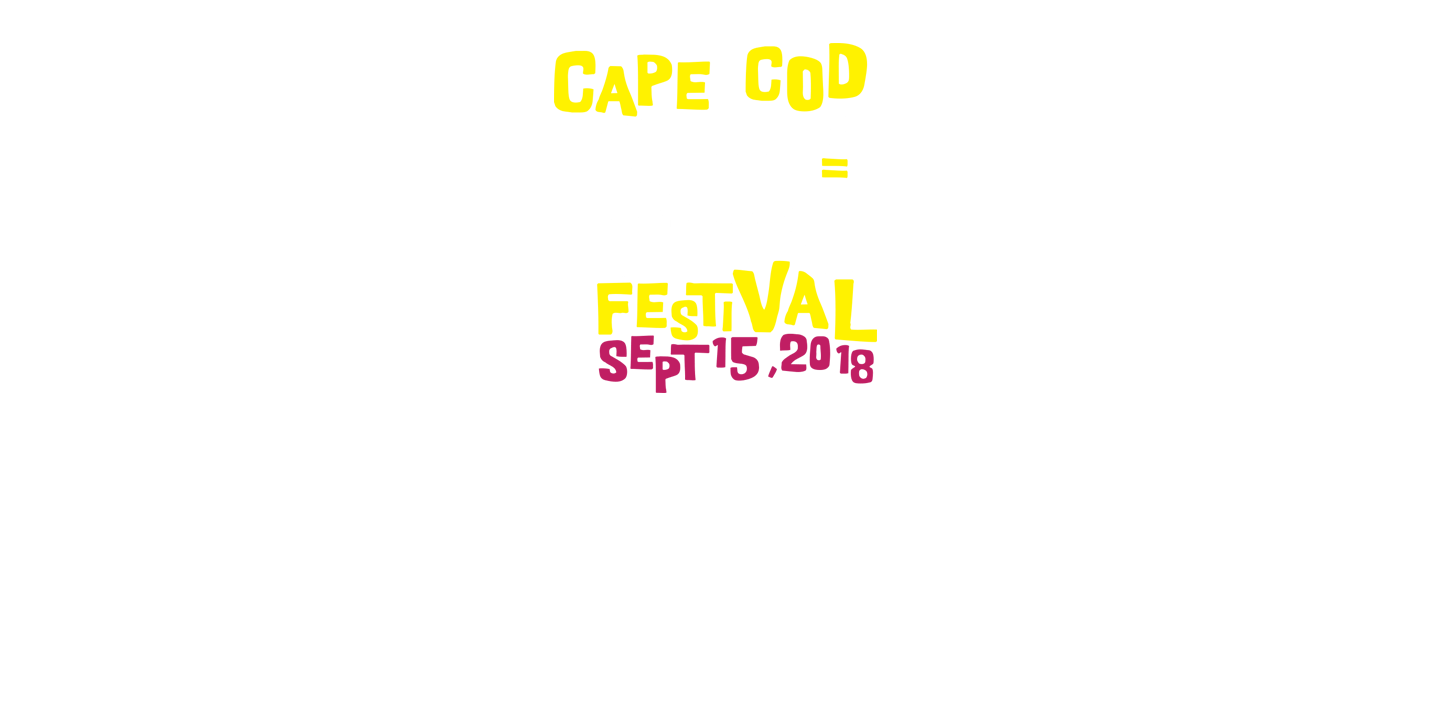






The Cape Cod Roots and Blues Music Festival is a celebration of family, live music, community and the natural environment of the Outer Cape. We will bring extraordinary live performers of homegrown, raw and rootsy music to the Outer Cape, at the coolest site ever: the beautiful Nauset Beach, Massachusetts.
The Lineup / Artists
Nauset Beach, Orleans, MA
About the Festival
As a big family man, G. Love wanted a festival that brings his musical family together with his Outer Cape Cod family. The backdrop is the beautiful Nauset Beach in Orleans, Massachusetts — a ten-mile stretch of sandy shoreline on the Atlantic, known for swimming, fishing and, in the non-protected areas, surfing.
The people of the Outer Cape community and the local landscape are an essential part of the festival. The surrounding beaches and local favorite Hog Island Beer Co. share the day with the homegrown, raw and rootsy music of extraordinary live performers, all blended into one unique event right on the ocean: a day of great sounds, fresh salt air and good company.
Family, Music & Community
Bring the Whole Crew
Families are welcome: children up to age 12 get their own reduced-price ticket, and the festival grounds include food vendors, water stations and plenty of room on the sand for blankets and beach chairs. The event goes on rain, fog or shine, so pack a layer and settle in for a full afternoon of music.
In the spirit of music and nature together, a portion of the proceeds goes to Friends of Nauset Beach, a local non-profit working to preserve the shoreline, its wildlife and its habitat, and to keep the beach open and accessible for the generations to come.
Festival Venue
Nauset Beach · Orleans, Cape Cod
— the festival grounds sit right on the dunes of the Outer Cape. Parking, shuttles and transit options are listed on the directions page.
directions & parkingSubscribe To The Newsletter
Open in Twitter
Cape Cod Roots & Blues Festival
@ccrbfest
Purchase tickets for the WHOLE family today! That’s right, children of all ages are welcome. Children 12 and under… https://t.co/eXsXrfcltP
3 hours ago
Open in Twitter
Cape Cod Roots & Blues Festival
@ccrbfest
(Cont) If you have already purchased an adult ticket and would like to add a children’s ticket, please email us at… https://t.co/rmQLQvwpbi
3 hours ago
Open in Twitter
Cape Cod Roots & Blues Festival
@ccrbfest
(Cont)Please note, children under 12 must be accompanied by an adult at all times and will not be admitted to the e… https://t.co/SfZmuTyOsP
3 hours ago
Open in Twitter
Cape Cod Roots & Blues Festival
@ccrbfest
Since family is an important part of the CCR&B Fest we have added a $6 children's ticket. This is for all children… https://t.co/rJByT4b1hG
3 hours ago
Open in Twitter
Cape Cod Roots & Blues Festival
@ccrbfest
Rain, fog, or shine, she sure does look fine.. #nausetbeach
.
We can’t wait to host the first ever #ccrbfest at Na… https://t.co/3oEceMgKEl
19 hours ago
Open in Twitter
Cape Cod Roots & Blues Festival
@ccrbfest
RT @ArtistWaves: We are so excited about the announcement of @Glove's @CCRBFest at the beautiful Nauset Beach. The amazing lineup includes…
2 days ago
Open in Twitter
Cape Cod Roots & Blues Festival
@ccrbfest
RT @glove: The Cape Cod Roots and Blues @ccrbfest ❤️When you’re launching your first festival after 25 years of playing amazing festivals a…
2 days ago
Open in Twitter
Cape Cod Roots & Blues Festival
@ccrbfest
Weekends made better by #nausetbeach .. Weekends made better yet with #ccrbfest AT Nauset Beach on September 15 😏
.… https://t.co/j0HNXsfFIZ
2 days ago
Open in Twitter
Cape Cod Roots & Blues Festival
@ccrbfest
Happy Friday! What a perfect weekend to make weekend plans for September 15th ? Purchase tickets today! #ccrbfest
.… https://t.co/oMGUMrwSWW
3 days ago
Open in Twitter
Cape Cod Roots & Blues Festival
@ccrbfest
VIP TICKETS NOW AVAILABLE! 🕺🏼💃🏻
.
check out previous tweets for details
.
https://t.co/ANCOCq8Ww7 @glove #ccrbfest
4 days ago
Open in Twitter
Cape Cod Roots & Blues Festival
@ccrbfest
(Cont) If you have already purchased a regular ticket and wish to upgrade to the VIP ticket, please contact info@c… https://t.co/YPh9eK3ch5
4 days ago
Open in Twitter
Cape Cod Roots & Blues Festival
@ccrbfest
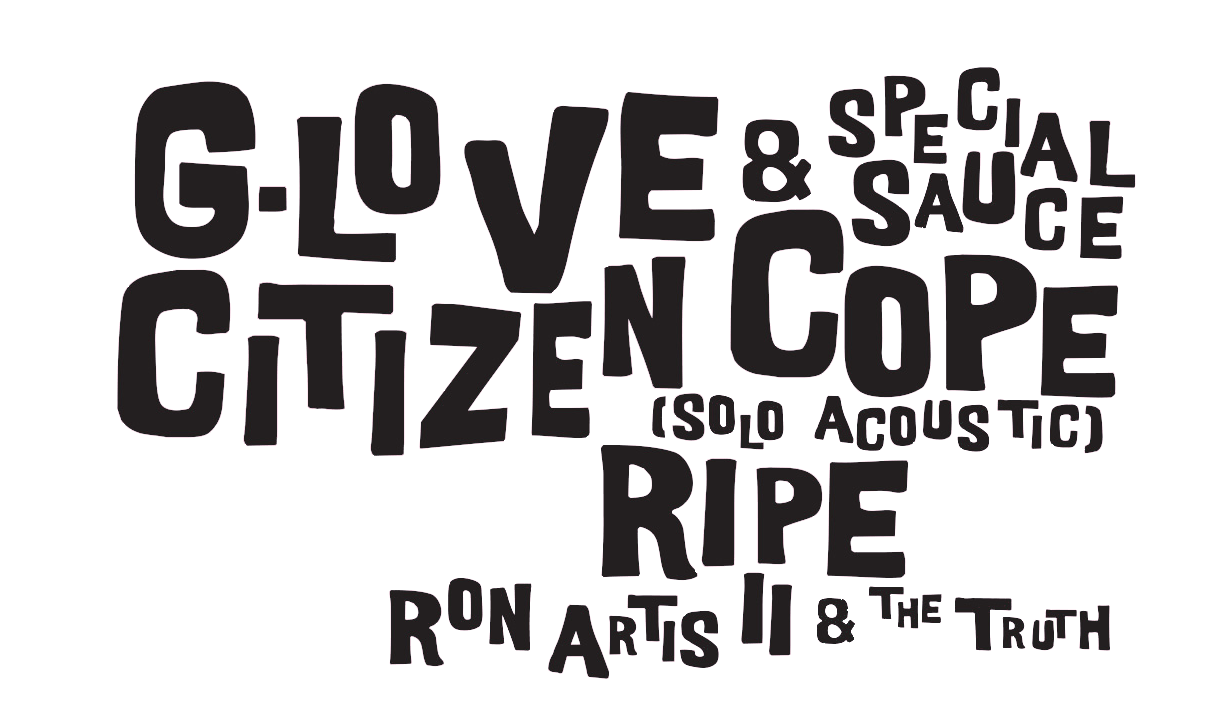
(Cont) on Sept 15 featuring G. Love & Special Sauce, Citizen Cope(solo acoustic), RIPE, and Ron Artis II & The Tru… https://t.co/dWr2psIZ1X
4 days ago