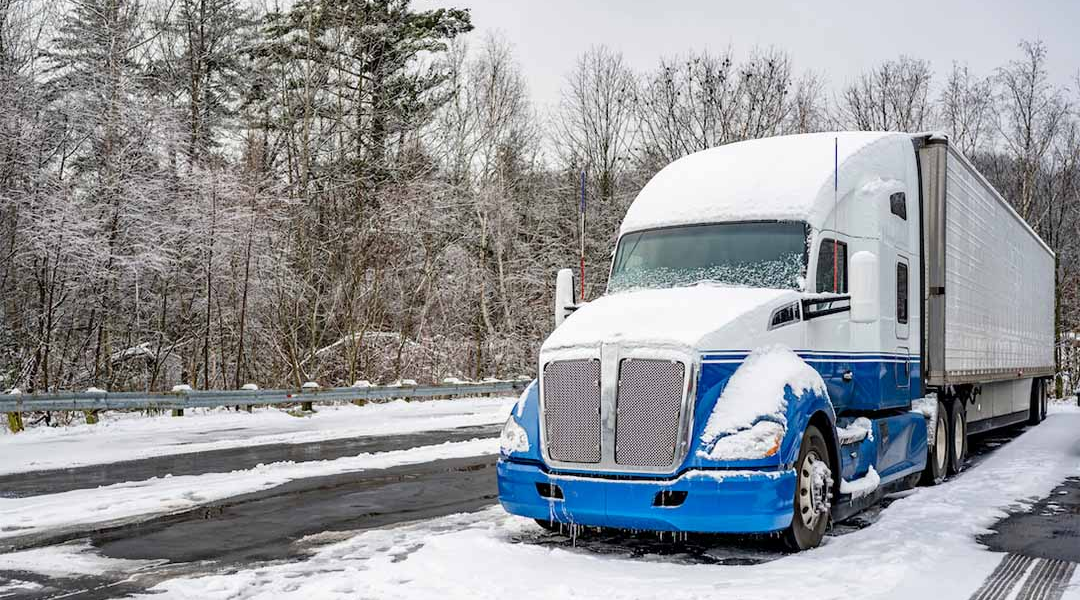
Apart from summer heat, winter is the only other season where there are difficult times for temperature sensitive freight. Cold does not arrive with cued alarms or visible spoilage, only summer heat does this. Many times your product experiences freezing damages unnoticed during the wait, loading, short stops, or delayed logistics. When you lose product integrity, no recovery is possible.
For truck drivers, dispatchers, and fleet managers, winter shipping means going beyond relying on the temperature to be cold instead it means working under a winter shipping protocol that is absolutely mandatory as part of winter season handling. The shipping of food, pharmaceuticals, devices, and machinery requires temperature control mostly independently of the state of the environment outside, and maintaining a controlled environment even when outside conditions shift. The situation that the company is experiencing is very complicated such as snow storms, subzero nights, wind chill, and delivery dock exposure that raise the risk of shipping.
The main points of the article are a protocol that covers the entire cold-season treatment of temperature-sensitive freight. It is not only dealing with what to do to protect the cargo on the road but also with preparation, loading discipline, airflow control, rerouting decisions, and contingency planning. If you deliver goods during cold weather logistics this is not only a theory but also a strategy for protecting products that are under pressure.
Why Winter Is the Most Dangerous Time for Temperature-Sensitive Freight
Logistics at cold weather time comes with risks that are fundamentally different from heat-related transport problems. During the winter, freezing can even happen besides the fact that reefers are not running properly.
The most misleading of all is the statement “cold means safety more than heat”. Truth is, sometimes avoiding freezing is more challenging than preventing overheating. More things can go wrong in freezing conditions than the ones that a product can endure when it is just warm.
Here are some of the most common issues related to the winter:
- Rapid descents of temperature at night cross-node stops
- Wind chill penetrating trailer walls
- Long door openings at frozen docks
- Power interruptions during idling restrictions
- Lesser operations of the warehouse causing the exposure
In these kinds of supply chain winter scenarios, delays are greater than double. Car accidents, road closures due to weather, and less time during the day to deliver all contributing to increased traffic. When the planned schedules falter, the temperature-sensitive goods become the victims.
A winter protocol should not be just about the delays that will happen but also the shipper’s plan to act proactively in protecting the cargo, using reliable shipping best practices before problems escalate.
Pre-Trip Winter Shipping Protocol: Preparing Before the First Mile
Successful winter freight management starts even before the trailer is loaded.
Pre-hurdle preparations are:
- Confirming which temperature regulation settings will match product requirements
- Making sure the refrigerant fuel levels are above normal
- Inspecting door seals, gaskets, and trailer insulation
- Ensuring sensors and alarms are functioning
Drivers should also check:
- Weather forecasts for the entire route of carrier
- High-risk cancellation or chain restriction areas
- Alternatives for routing
A winter protocol that starts with dispatch and not with the dock dramatically refutes the exposure. The decision for proactive rerouting made earlier is obviously more effective than the detour needed as a response later, especially when carrier routes are vulnerable to winter closures.
Secure Loading and Airflow Control in Winter Conditions
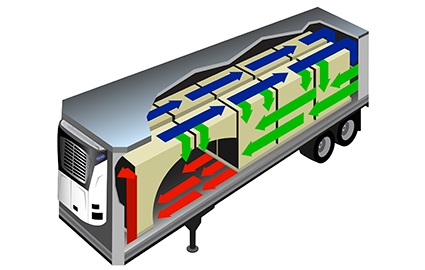
Loading discipline is key in the winter season. Bad loading qualities, like inputting unstable air t, will damage the cold chain, which is why secure loading becomes a core part of winter handling.
Secure loading principles should be:
- Shipping the temperature-sensitive cargos away from the trailer walls
- No direct contact with metal surfaces
- Keeping the airflow maximized airflow around pallets
- Preventing air pockets that can cause cold air pooling
Air gaps or blockades can lead to varying temperature zones inside the trailer. For example, areas close to the door or the wall can experience local freezing even when the average temperature of the trailer is acceptable.
For food shipping and pharma palletization should be quick, and doors need to be closed right after. An extended dock time is one of the most repetitive causes of winter casualties.
Temperature control does not refer only to the reefer unit but to the general air circulation inside the trailer as well, especially when maintaining a stable controlled environment.
Managing Stops, Waiting, and Dock Delays in Cold Weather
The major share of damage to freight in winter occurs when the truck is not driving.
Waiting in traffic jams, docks, and rest areas exposes freight to cold winds. All stops during this period should be considered as possible dangerous situations.
Best practices include:
- Reducing door opening times to faster the process
- Minimizing stop duration whenever possible
- Checking the internal temperature during idle time
- Avoid having to shut down the machine on the temp
Idling restrictions pose some complications to going cold logistics. Drivers must have a good balance between complying with the laws and protecting the cargo. The protocols for communication should be clearly defined to give an exception to the rules for temperature sensitive freight in decreed conditions.
Freight management tips for winter accentuate only one rule: movement is the proper tactic for the temperature stability of the freight, and it directly supports minimizing delays across the delivery day.
Common Winter Risks and Protective Actions
| Winter Risk | Protective Action |
| Dock exposure | Thermal blankets, fast loading |
| Overnight freezing | Higher minimum temp settings |
| Wind chill | Insulated pallets |
| Weather delays | Contingency plan and rerouting |
| Sensor failure | Manual checks and alarms |
Contingency Planning: When Winter Conditions Break the Schedule
Of course, no winter shipping protocol is without a contingency plan. There are no exceptions to delays — they are a given.
A winter contingency plan contains:
- Designated parking locations
- Fuel and reefer restart procedures in emergencies including
- Escalation contacts
- Decision points for rerouting or holding
Tracking must be real-time tracking. The dispatcher has to look at not only the location of the truck but also its dwell time and temperature trends. Early intervention is key in losses avoiding.
It might be the case that bending the delivery schedule could save more of the product than riding it out with on-time delivery. Direct communication with receivers can lower the risk of rejecting goods.
A weather resistant supply chain is one that is redesigned, where the focus is on product protection first rather than speed, especially during supply chain winter disruptions.
Pharmaceutical and Food Shipping: Zero Tolerance for Freezing
Some categories of freight are a little more forgiving than others.
Many times, pharmaceutical shipping has strict zero tolerance for freezing. Even slight exposure could result in one being left with unusable products without even visible damage. During the journey, the documentation, the chain of custody, and temperature logs must all be intact.
Food products, especially fresh or chilled ones, are also at risk. Freezing changes the texture, taste, and safety issues. The rejection of the loads directly results in a loss of money.
Therefore, during these categories, the management of winter freight has the following:
Narrower temperature bands allowed
Frequent checks
Heavy routing choices
Stability always prevails in winter over optimization.
Carrier Routes, Scheduling, and Driver Decision-Making
a winter handling protocol should put drivers at the center.
Inflexible schedules that do not take in to account the reality of the weather increase the risk. Drivers should have the power to:
- Slow down without penalty
- Make proactive reroute decisions
- Stop early if that is going to protect cargo
Carrier routes need to be evaluated in the context of how safe they are in the winter?. Mountain passes, lake-effect snow zones, and remote highways are some areas that are most susceptible to any weather.
Minimizing delays does not mean faster driving; it is predicated on less uncertainty.
Final Thoughts: Winter Protocol Is About Discipline, Not Equipment
The handling of temperature-sensitive products during winter is a challenge that cannot be addressed through technology only. Machinery assists but discipline is the best armor for products.
A victorious winter shipping strategy is accomplished thanks to:
- Proper preparation before departure
- Safe loading and airflow management
- Real-time control and communication
- Clear planning for contingencies
- Driver decision making
In the trucking business, the weaknesses are more exposed in winter season. The actions that depend solely on luck fail. The ones that are built around protocols will always survive.
Winter driving is not about standing up to the cold; it is about respecting the cold and adjusting the strategy accordingly.
FAQ: Managing Temperature Sensitive Transportation Amidst Winter
What makes winter a more treacherous season for temperature-sensitive freight as compared to the summer?
In cold weather logistics, freight can freeze during waiting, loading, or short stops without triggering alarms. This is often the case when freezing occurs without any signs. Therefore, when refrigerated products sustain freezing injuries, the product’s quality cannot be restored, especially with food products and pharmaceuticals.
What is the top rule for managing winter freight?
Safeguarding the load during non-moving time is the key. Most of the time, the damage in winter occurs at docks, during waiting, or at overnight stops. The best winter freight management is based on secured loading, minimized door openings, and proper temperature control throughout, not only driving.
What are the freezing prevention measures that safe loading can ensure in winter?
Safe loading ensures that the goods are away from the trailer walls, it does not allow cold metal surfaces to come in contact, and it increases airflow. Flowing air through the trailer helps avoid pockets of cold air near doors and sidewalls which could freeze products even if the average trailer temperature appears to be normal.
Why is it important to track the real time in winter shipping?
Real-time tracking is very important for dispatchers to check not only the place of shipment but also the temperature as well. Early detection of delays or shift in temperature provides proactive rerouting or schedule adjustments before the cargo is damaged.
Should delivery schedules change along with the winter conditions?
Yes. During winter, caring for the product and minimizing the delay are more crucial than on-time delivery. Shifting to flexible scheduling and making pre-emptive decisions aid in developing a weather- resilient supply chain during winter handling.
Leave a Reply